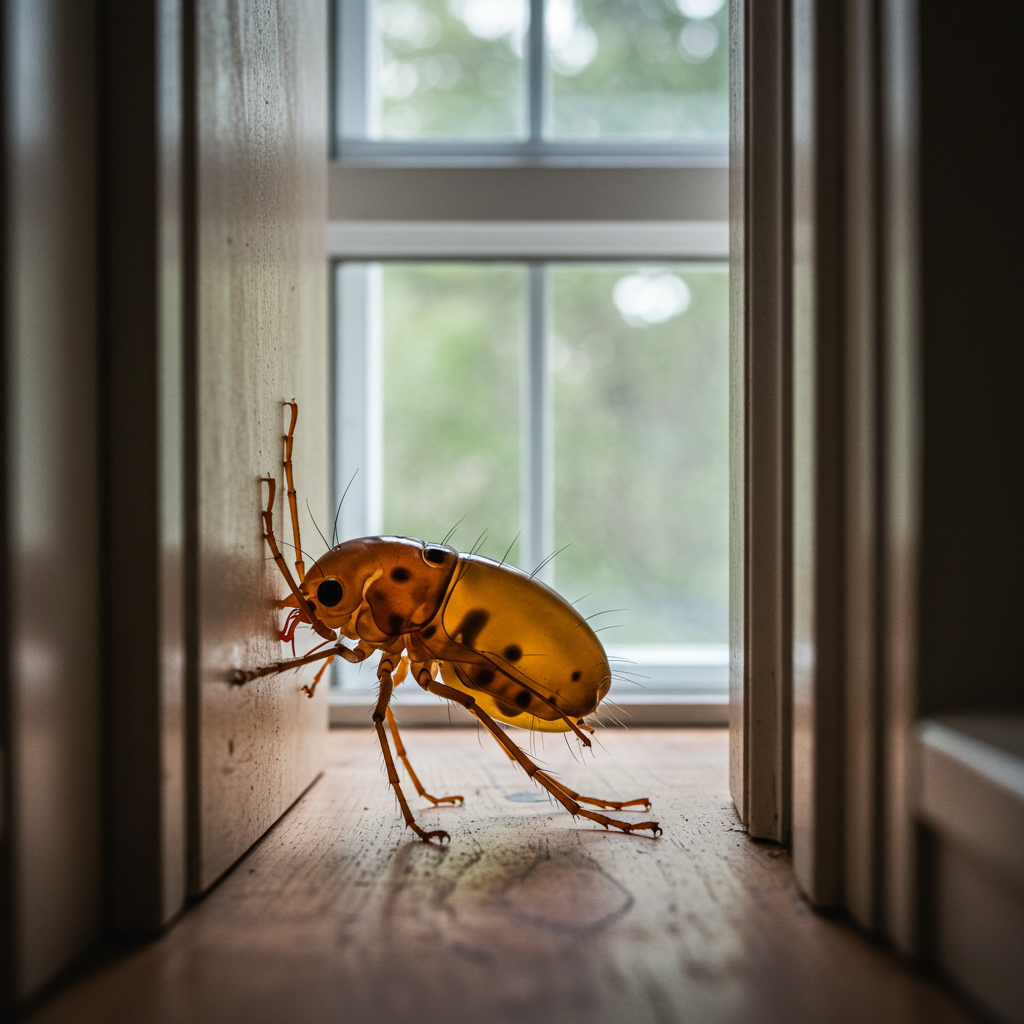
Silent Destroyers: Protecting Your Knoxville Home From Unseen Pest Damage
Many Knoxville homeowners understandably focus on visible pest problems like ants in the kitchen or spiders in the corners. However, some of the most destructive pest issues occur completely out of sight, behind walls, in attics, or within crawl spaces. These "silent destroyers" can cause significant damage to your property's structure, electrical systems, and overall value long before you ever spot a single pest. Understanding these hidden threats and knowing when to call for professional help is crucial for maintaining a safe and healthy home in Knoxville.
What Subtle Structural Damage Do Termites Inflict in Knoxville?
Termites are arguably the most notorious unseen destroyers of homes across Knoxville, Tennessee. Primarily subterranean termites, they live in colonies underground and build mud tubes to travel from their nest to your home's wooden structure, all while remaining hidden from view. Unlike carpenter ants, which tunnel through wood but don't eat it, termites consume cellulose, weakening the very bones of your house.
- Hollowed Wood: Termites typically eat wood from the inside out, leaving a thin veneer of paint or wood on the surface. This means a seemingly solid beam or floor joist could be severely compromised internally. Tapping on suspected areas might reveal a hollow sound.
- Mud Tubes: While often hidden in crawl spaces, basements, or behind siding, termites construct pencil-sized mud tubes for protection. These are critical signs of activity, even if you don't see the termites themselves.
- Subtle Warping or Sagging: As wooden structures weaken, you might notice doors and windows that no longer close properly, sagging floors, or ceilings. These can be gradual changes, easily dismissed as normal wear and tear until the damage is extensive.
Detecting termite damage early in Knoxville is incredibly difficult for the untrained eye, making professional inspections indispensable.
How Do Rodents Secretly Compromise Electrical Systems in Knoxville Homes?
Mice and rats are common household pests in Knoxville, especially as seasons change and they seek warmth and shelter indoors. Beyond their unsanitary habits and potential to spread disease, rodents are notorious for their incessant chewing, which often targets electrical wiring.
- Fire Hazards: Rodents chew on wires to wear down their constantly growing incisors. When they gnaw through electrical insulation, they expose live wires, creating a significant fire risk. This often happens in walls, attics, and crawl spaces, where the damage goes unnoticed until a serious electrical malfunction or fire occurs.
- Power Outages and Malfunctions: Damaged wires can lead to flickering lights, tripped breakers, or complete power outages in certain areas of your home. These intermittent issues are often attributed to faulty wiring or overloaded circuits, when in fact, rodent activity is the true culprit.
- Compromised Appliances: Rodents can also chew through the cords and wiring of major appliances, rendering them unsafe or inoperable. This not only incurs repair costs but also poses safety hazards.
The sounds of scurrying in walls or ceilings might be your first clue, but the damage to your electrical system can be silently accumulating, putting your Knoxville home at severe risk.
What Hidden Insulating Damage Do Pests Cause in Knoxville Attics and Walls?
Your home's insulation, especially in the attic and wall voids, provides an ideal nesting ground for a variety of pests, including rodents, cockroaches, and even occasional wildlife like bats or birds that find their way in.
- Compromised R-Value: When pests nest in insulation, they compact it, tunnel through it, and contaminate it with urine and feces. This significantly reduces the insulation's effectiveness (its R-value), leading to higher energy bills as your HVAC system works harder to maintain indoor temperatures.
- Contamination and Odor: Pest waste introduces bacteria, viruses, and allergens into your living environment, potentially impacting indoor air quality and causing unpleasant odors that permeate your Knoxville home.
- Structural Damage (Indirect): Heavy infestations can lead to insulation becoming so degraded that it sags, pulls away from joists, or even falls apart, exposing other structural elements to potential moisture or temperature fluctuations.
Since these areas are rarely inspected by homeowners, insulation damage by pests often goes undetected for extended periods, leading to ongoing energy loss and health concerns.
Can Pests Lead to Costly Moisture Damage in My Knoxville Property?
Certain pests are not only attracted to moisture but can also contribute to or exacerbate moisture-related damage in your Knoxville home. This often leads to more significant issues like wood rot and mold growth.
- Carpenter Ants: While they don't eat wood, carpenter ants tunnel through damp or decaying wood to create nests. Their presence often indicates an existing moisture problem, and their tunneling can further weaken already compromised structures, especially around window frames, door frames, and areas with water leaks.
- Cockroaches and Silverfish: These pests thrive in humid environments. While they don't directly cause structural damage in the same way termites do, their presence in large numbers can signify a hidden moisture issue (e.g., leaky pipes, poor ventilation in crawl spaces) that is, in itself, damaging to your home's integrity.
- Wood-Boring Beetles: Some species of beetles, like powderpost beetles, infest seasoned wood, and their larvae bore tunnels, turning solid wood into fine powder. These infestations are slow and often go unnoticed until significant damage is done or fine sawdust (frass) is seen. They often target areas prone to moisture fluctuations.
Addressing pest issues in conjunction with moisture control is essential to prevent long-term, expensive repairs to your property.
When Should Knoxville Homeowners Call for Professional Pest Damage Assessment?
Given the subtle and insidious nature of unseen pest damage, knowing when to seek professional help is critical. While some visible signs might eventually appear, early intervention is always best.
- Unexplained Sounds: Scratching, gnawing, or scurrying sounds in walls, ceilings, or attics are strong indicators of rodent or other pest activity.
- Flickering Lights or Tripped Breakers: These electrical issues can sometimes point to rodent-damaged wiring.
- Unusual Odors: Persistent, unidentifiable odors, especially musty or ammonia-like smells, could signal pest infestations or their waste.
- Sagging or Warping: Any unexplained sagging floors, ceilings, or difficulty with doors and windows could indicate structural weakening from termites or carpenter ants.
- Increased Energy Bills: A sudden spike in heating or cooling costs might be due to compromised insulation from pest nesting.
- After a Pest Sighting: Even if you see just one pest, it could be a sign of a larger, hidden infestation.
Don't let unseen pest damage compromise your Knoxville home's safety and value. The experts at Knoxville Pest Experts possess the knowledge and tools to conduct thorough inspections, identify hidden pest activity, assess the extent of any damage, and implement effective treatment plans. We help protect your most valuable asset from these silent destroyers, providing you with peace of mind and a pest-free environment.
Need Professional Assistance?
Get a free, no-obligation estimate from our expert local team today.