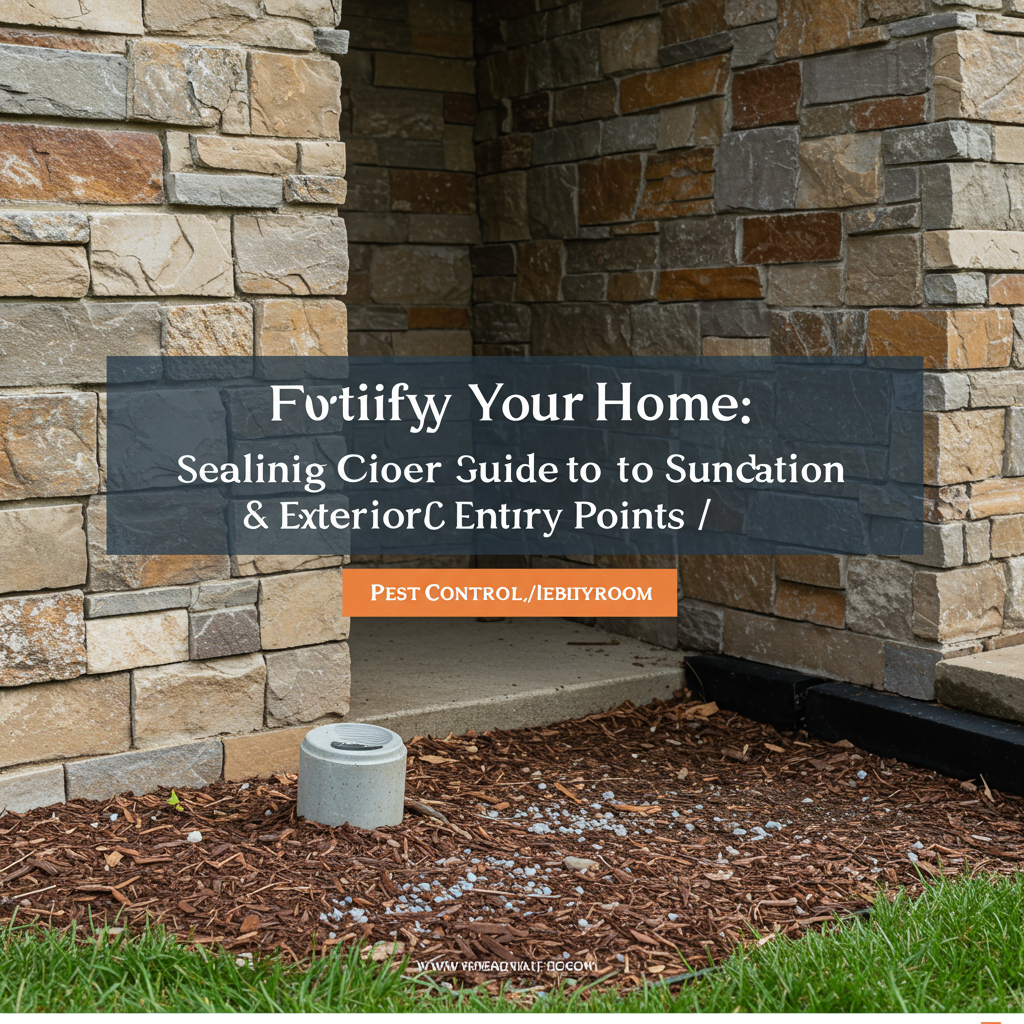
Fortify Your Home: The Ultimate Knoxville Guide to Sealing Foundation & Exterior Pest Entry Points
The most common pest entry points in a Knoxville home's foundation and exterior include cracks in the foundation, gaps around utility lines, unsealed weep holes, damaged mortar, and inadequate weather stripping around doors and windows. Sealing these vulnerabilities is crucial for effective long-term pest prevention.
Why is Your Knoxville Foundation a Prime Target for Pests?
Your home's foundation is its bedrock, but for pests in Knoxville, it's often an open invitation. The climate in Eastern Tennessee, with its fluctuating temperatures and humidity, causes materials to expand and contract, leading to tiny fissures and cracks in concrete or brick foundations. These seemingly insignificant openings, often no wider than a credit card, are highways for a multitude of pests.
Consider common Knoxville pests like:
- Ants: They can squeeze through unbelievably small gaps, seeking food and moisture.
- Cockroaches: Drawn to damp, dark areas, foundation cracks provide perfect access to crawl spaces and basements.
- Rodents (Mice & Rats): While mice only need a quarter-inch opening, rats can gnaw through larger cracks to gain entry.
- Termites: These destructive insects don't even need a direct opening; they can build mud tubes over foundations to reach wood elements within your home.
- Spiders & Other Insects: Many general household pests will exploit any available entry point to find shelter from the elements or predators.
The soil around your foundation also plays a significant role. If landscaping allows soil to pile up against siding or around windows, it creates literal bridges for pests to bypass the foundation and enter higher up on your home's exterior. Effective pest control in Knoxville always begins with a thorough understanding of these foundational vulnerabilities.
What Are the Hidden Pest Entry Points on Your Knoxville Home's Exterior?
Beyond the foundation, the exterior walls of your Knoxville home present a complex network of potential pest entry points. Many homeowners overlook these areas, often focusing solely on doors and windows. However, pests are opportunistic and will exploit the smallest flaws.
Key hidden exterior entry points include:
- Utility Line Gaps: Where pipes, cables, and wires enter your home (e.g., for AC units, electrical service, water lines), there are often unsealed or poorly sealed gaps. These are prime entry points for rodents and insects.
- Weep Holes: Essential for drainage in brick veneer homes, weep holes can inadvertently become entry points for wasps, bees, ants, and even small rodents if not properly screened or maintained.
- Damaged or Missing Mortar: Over time, the mortar between bricks can crack, crumble, or fall out, creating direct access points into wall voids.
- Fascia and Soffit Gaps: Around the roofline, gaps where fascia boards meet the eaves, or damaged soffit panels, provide access for birds, bats, squirrels, and larger insects into attics and wall voids.
- Vents: Unscreened or damaged attic, dryer, and foundation vents are common entry points for rodents, birds, bats, and insects seeking shelter.
- Cracked Siding or Trim: Peeling paint, rotting wood trim, or cracks in vinyl siding can create small but exploitable openings.
Regular inspection of these areas is critical for Knoxville homeowners. Pests like carpenter ants or termites can cause significant structural damage if they access the wooden elements of your home through these openings, often unnoticed until an infestation is severe.
How Can Knoxville Homeowners Effectively Seal Foundation & Exterior Gaps?
Proactive sealing is one of the most effective pest prevention strategies for any Knoxville homeowner. Addressing these vulnerabilities requires a methodical approach and the right materials.
Steps for Effective Sealing:
- Thorough Inspection: Begin by walking around your entire home, from the ground up to the roofline. Pay close attention to areas where different materials meet, utility penetrations, and any visible cracks. A flashlight can help illuminate dark corners and gaps.
- Clean & Prepare: Before sealing, clean the area thoroughly. Remove any loose debris, old caulk, dirt, or spiderwebs. For larger cracks or holes, you might need to chisel out loose material.
- Choose the Right Sealant:
- For small cracks (less than 1/4 inch): High-quality silicone or acrylic latex caulk is excellent for sealing around windows, doors, and minor wall cracks. Choose paintable caulk if you plan to match your home's exterior color.
- For larger gaps (1/4 inch to 3 inches): Expanding foam sealants are ideal for filling larger voids around pipes, wires, and utility penetrations. Ensure it's pest-resistant or rodent-proof foam if rodents are a concern.
- For weep holes: Install specialized weep hole covers or screens that allow drainage but prevent pest entry.
- For foundation cracks: Concrete patch or hydraulic cement is necessary for structural repairs. For non-structural cracks, a polyurethane caulk can offer flexibility and weather resistance.
- Repair Damaged Mortar & Siding: For crumbling mortar, re-point the brickwork. Replace or repair damaged siding, fascia, or soffit panels. This not only keeps pests out but also protects your home from water damage.
- Install/Repair Screens & Barriers: Ensure all vents (attic, dryer, foundation) have sturdy, intact screens. Repair or replace torn window and door screens. Consider mesh screening over chimney openings.
- Trim Landscaping: Keep shrubs, trees, and other vegetation trimmed away from your home's exterior walls. This eliminates natural bridges for pests to access your siding and roofline.
While many of these tasks can be DIY, some larger structural repairs or hard-to-reach areas might benefit from professional assistance. Correctly sealing these points significantly reduces the likelihood of pest infestations, saving you potential headaches and costs down the line.
When Should Knoxville Residents Inspect Their Home for Pest Vulnerabilities?
Regular inspections are the cornerstone of effective pest prevention in Knoxville. Pests are active year-round, but their activity levels and entry methods can vary with the seasons. Therefore, a consistent inspection schedule is paramount.
Recommended Inspection Schedule:
- Early Spring: As temperatures rise, overwintering pests become active, and new generations begin to emerge. This is an ideal time to check for any new cracks formed over winter or damage from severe weather.
- Late Summer/Early Fall: Pests often seek shelter indoors as outdoor temperatures cool. This is a critical time to check all potential entry points, especially around the foundation and utility lines, to prevent fall and winter infestations.
- After Severe Weather: High winds, heavy rains, and hail can cause immediate damage to your home's exterior, creating new entry points. Inspect promptly after such events.
- Annually (Comprehensive): At least once a year, conduct a thorough, comprehensive inspection of your entire home exterior, from foundation to roofline. Consider hiring a professional pest control service in Knoxville for this annual check-up, as they have the expertise to spot subtle signs of entry or damage.
By staying vigilant and addressing potential entry points as soon as they are identified, Knoxville homeowners can dramatically reduce their risk of pest problems. Combining these proactive sealing efforts with professional pest control services from experts like Knoxville Pest Experts creates the strongest defense against unwanted invaders, ensuring your home remains a safe and pest-free sanctuary.
Need Professional Assistance?
Get a free, no-obligation estimate from our expert local team today.