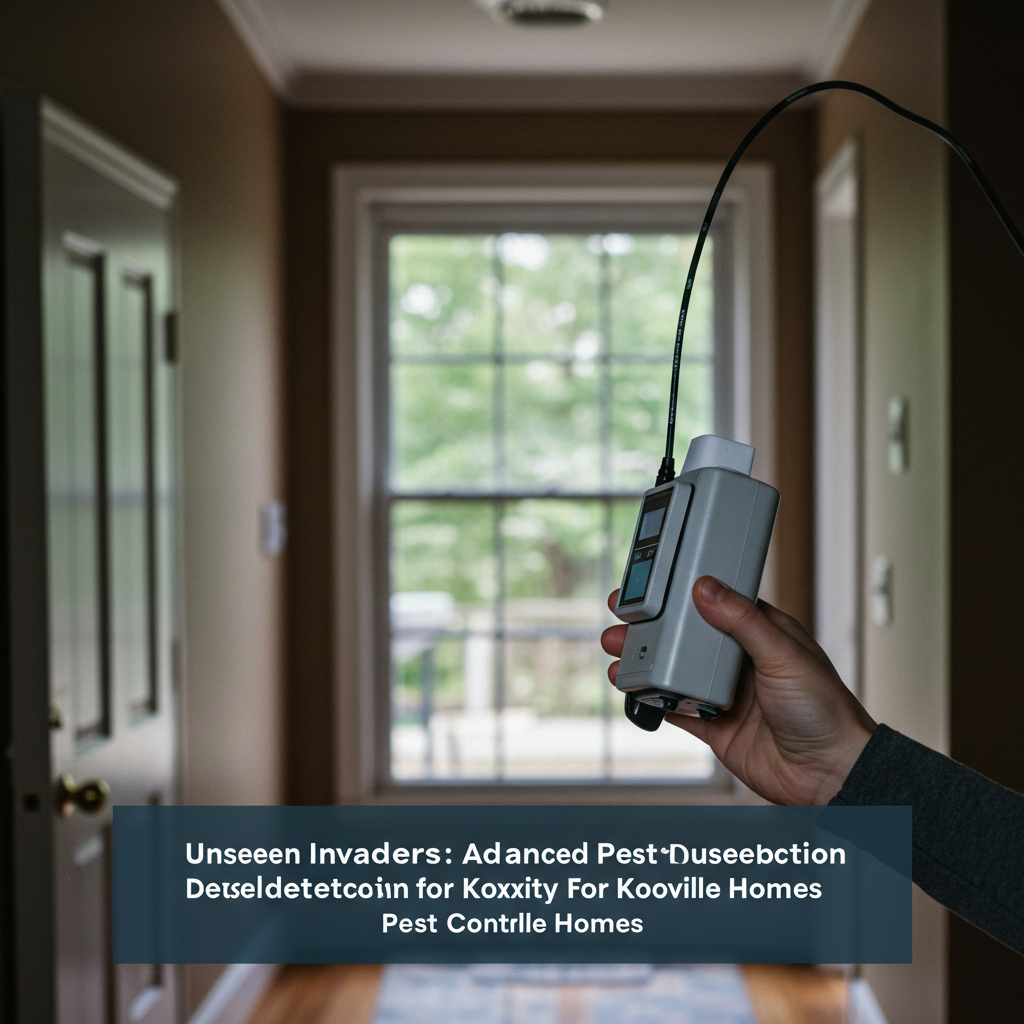
Unseen Invaders: Advanced Pest Detection for Knoxville Homes
Why is Early Pest Detection Crucial for Knoxville Homes?
For Knoxville homeowners, understanding the subtle art of pest detection isn't just about curiosity; it's a critical defense mechanism against significant property damage, health risks, and costly remediation. The unique climate and diverse ecosystems around Knoxville mean pests are a year-round concern, making early identification more important than ever.
Here's why proactive pest detection matters:
- Preventing Structural Damage: Pests like termites and carpenter ants can silently compromise the integrity of your home's foundation, walls, and wooden structures. Early detection allows for targeted intervention, saving thousands in potential repair costs.
- Safeguarding Health: Rodents, cockroaches, and even some ants can carry pathogens, allergens, and bacteria, posing serious health risks to your family. Detecting their presence early helps prevent the spread of diseases and contamination of food sources.
- Cost-Effective Solutions: Small infestations are significantly easier and less expensive to treat than widespread ones. Ignoring early signs often leads to larger, more entrenched pest populations requiring extensive and costly professional services.
- Preserving Property Value: A pest-free home is a valuable home. Undetected pest issues can devalue your property and complicate future sales. Regular checks ensure your investment remains protected.
- Faster, Less Invasive Treatments: When an infestation is caught early, treatment options are often less disruptive, requiring fewer applications and less extensive measures inside your living spaces.
What Subtle Signs Indicate Hidden Pests in Your Knoxville Residence?
Pests are masters of concealment, often leaving behind only the faintest clues of their presence. Learning to recognize these subtle indicators is the cornerstone of advanced pest detection. Many Knoxville homeowners overlook these signs until an infestation is severe.
Keep an eye out for these key indicators:
- Visual Cues:
- Droppings: Small, dark fecal pellets resembling coffee grounds (cockroaches), rice grains (rodents), or sawdust (termites, but often frass). Location can indicate activity zones.
- Gnaw Marks: Small scratch or chew marks on food packaging, electrical wires, baseboards, or furniture, characteristic of rodents.
- Shed Skins or Casings: Cockroaches and other insects shed their exoskeletons as they grow. Finding these near baseboards, under appliances, or in attics signals active growth.
- Webs or Silk Tunnels: While spider webs are common, dense, dusty webs in undisturbed areas, or silken tubes (like those from clothes moths or webbing clothes moths in closets), indicate specific pest types.
- Grease Marks: Dark, greasy rub marks along walls and baseboards are tell-tale signs of rodent pathways.
- Frass: Fine, sawdust-like material (often with tiny fecal pellets) found near wooden structures indicates wood-boring pests like carpenter ants or termites.
- Auditory Cues:
- Scratching or Scurrying: Sounds from walls, ceilings, or attics, especially at night, often point to rodents like mice or rats.
- Buzzing or Chirping: In wall voids, these sounds can indicate large insect nests, such as bees, wasps, or crickets.
- Chewing Sounds: Faint gnawing or tapping sounds within wooden structures could be termites or powder post beetles.
- Olfactory Cues:
- Musty Odors: A persistent, stale, or musty smell can indicate a significant rodent infestation, especially in confined spaces.
- Oily/Sweet Odors: Strong, distinct odors associated with large cockroach infestations.
- Pungent Urine Smell: A strong ammonia-like smell often accompanies a rodent problem.
- Physical Damage: Look for unexplained holes in fabric, wood, or packaging, water stains (which can attract moisture pests), or sagging/discolored drywall.
- Pet Behavior: If your pets are suddenly fixated on certain areas of the house, sniffing, scratching, or pawing at walls or floors, they might be sensing hidden pests.
Where Should Knoxville Homeowners Focus Their Advanced Pest Searches?
Effective pest detection isn't random; it requires a strategic approach, focusing on areas known to attract and harbor pests. In Knoxville, understanding these hotspots is key to protecting your home.
Thoroughly inspect these critical zones:
- Kitchens and Pantries: Food sources and moisture make these prime locations.
- Check under sinks for leaks and droppings.
- Inspect cabinets and pantry shelves for crumbs, spilled food, gnaw marks on packaging, and small insects (ants, pantry moths, beetles).
- Pull out appliances like refrigerators and stoves to check behind and underneath for droppings, webs, or dead pests.
- Bathrooms and Laundry Rooms: These areas provide essential moisture.
- Look for signs of pests around drains, toilets, showers, and washing machines.
- Check for leaks, mold, and water damage, which attract pests like cockroaches and silverfish.
- Inspect exhaust vents and pipe entries for gaps.
- Attics, Basements, and Crawl Spaces: These undisturbed, often dark and humid areas are perfect pest hideouts.
- Shine a bright flashlight into corners, along beams, and in insulation for droppings, nests, or active pests.
- Look for entry points like gaps around pipes, vents, or foundation cracks.
- Check for signs of moisture and wood rot.
- Exterior Perimeter and Foundation: This is often the first line of defense.
- Walk around your home's foundation, looking for cracks, gaps, or holes where pests could enter.
- Inspect window and door frames for deterioration or gaps.
- Check utility penetrations (pipes, wires) for proper sealing.
- Examine landscaping: tree branches touching the roof, dense shrubs against the house, or excessive mulch can create pest bridges.
- Less Obvious Spots: Don't forget these often-overlooked areas.
- Inside wall voids (listen for sounds, check for tiny gaps).
- Behind picture frames or wall decor.
- Underneath furniture that rarely moves.
- Inside forgotten storage boxes in closets or garages.
Can Technology Aid Knoxville Residents in Proactive Pest Monitoring?
In the modern age, technology offers innovative ways for Knoxville homeowners to enhance their pest detection capabilities, moving beyond simple visual inspections. These tools can provide insights into pest activity that might otherwise go unnoticed.
Consider incorporating these technological aids:
- Motion-Activated Cameras: Small, inexpensive cameras (often used for security) can be placed in attics, basements, or garages to monitor for nocturnal pest activity, especially rodents.
- Moisture Meters: High moisture levels are a magnet for many pests, particularly termites and cockroaches. A moisture meter can help identify hidden leaks or damp areas in walls or under flooring that might be attracting pests.
- UV Lights (Blacklights): Rodent urine glows under UV light, making it easier to trace rodent runways and determine active areas in dark spaces like attics or crawl spaces.
- Pest Monitoring Stations/Traps: While not high-tech, sticky traps and bait stations are effective non-toxic tools to monitor for activity. Placed strategically, they can catch small insects or indicate rodent presence without immediate harm, allowing for identification and professional planning.
- Thermal Imaging Cameras: While more advanced and typically used by professionals, these cameras can detect temperature differentials within walls, sometimes indicating a hidden pest nest generating heat (like a bee colony) or areas of moisture.
By integrating these advanced detection methods into your home maintenance routine, you can significantly increase your chances of catching a pest problem early. However, even with the best detection, accurate identification and effective eradication often require professional expertise. If your advanced detection efforts reveal suspicious signs, don't hesitate to contact Knoxville Pest Experts. Our team provides thorough inspections and tailored solutions, ensuring your Knoxville home remains pest-free and protected. We use our extensive experience and advanced tools to identify and address even the most subtle pest issues, giving you peace of mind.
Need Professional Assistance?
Get a free, no-obligation estimate from our expert local team today.