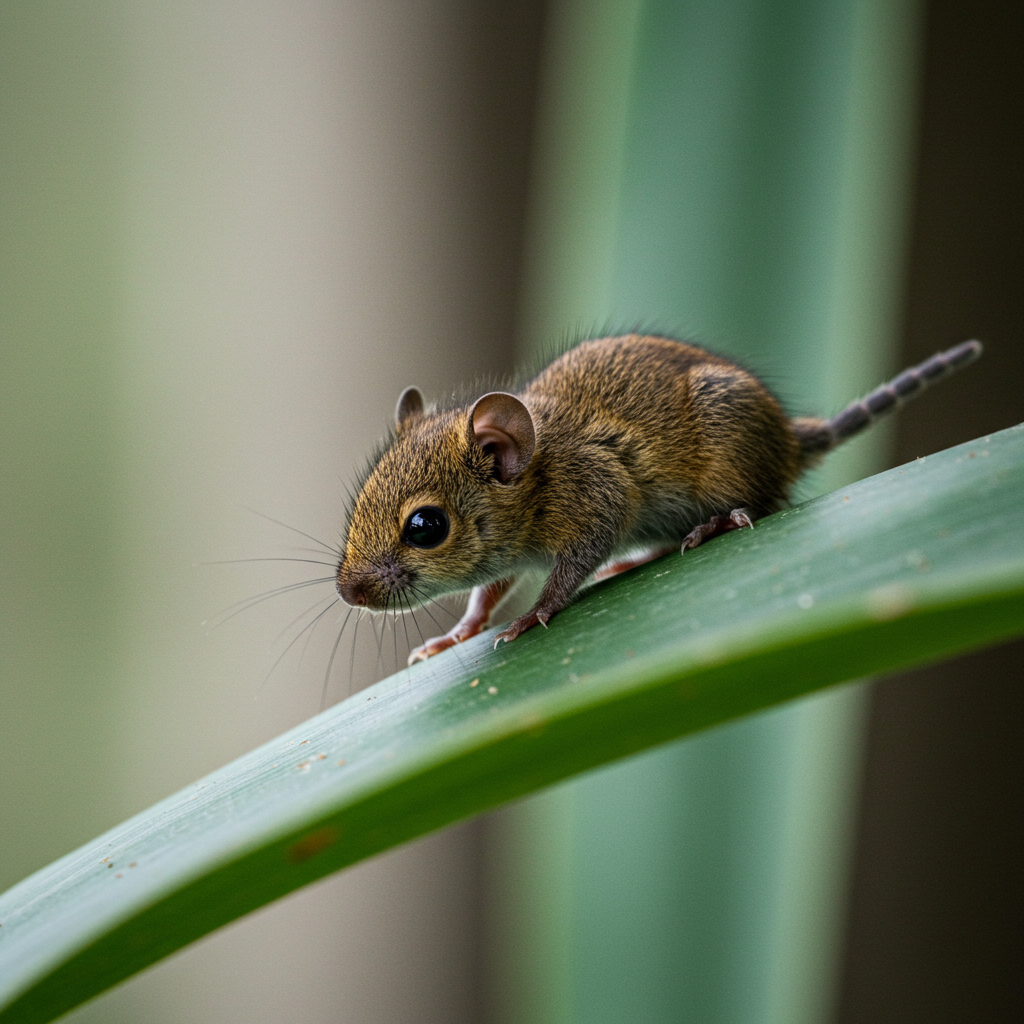
Unraveling Knoxville Pest Mysteries: Understanding Behavior for Better Control
Why do Knoxville pests invade our homes, and what are they seeking?
Pests, much like humans, are driven by basic needs: food, water, and shelter. Knoxville's diverse climate, with its warm, humid summers and mild winters, creates an attractive environment for a variety of invaders. When outdoor conditions become less favorable – think scorching summer heat, heavy rains, or chilly winter snaps – your home transforms into a five-star resort for unwelcome guests.
- Food: From pantry moths to ants, pests are constantly foraging. Crumbs on the counter, unsealed food containers, pet food left out, and even decaying organic matter in drains provide irresistible sustenance. Understanding a pest's dietary preferences can help homeowners eliminate these attractants.
- Water: Moisture is a lifeline for many pests, especially cockroaches, silverfish, and mosquitoes. Leaky pipes, condensation around windows, overflowing gutters, and damp basements are prime watering holes.
- Shelter & Warmth: Your home offers refuge from predators and the elements. Rodents seek warm, secluded spots in attics and wall voids, while spiders and overwintering insects may sneak indoors simply to escape the cold. Cracks in foundations, gaps around windows, and unsealed utility entry points are open invitations.
How do seasonal changes in Knoxville influence pest activity and behavior?
Knoxville experiences four distinct seasons, each bringing its own set of pest challenges and behavioral shifts.
- Spring: As temperatures rise, dormant pests emerge. Ants become highly active, foraging for food and water after winter's scarcity. Termite swarms often appear, seeking new colonies. Mosquitoes begin breeding in standing water.
- Summer: The peak season for many pests. High humidity attracts cockroaches. Stinging insects like wasps and hornets build nests. Spiders are abundant, preying on other insects. Rodents may move indoors seeking cooler temperatures and water during dry spells.
- Fall: As autumn approaches and outdoor temperatures drop, pests begin their overwintering migration. Rodents, stink bugs, box elder bugs, and lady beetles actively seek warm shelter inside homes, often through small cracks and openings.
- Winter: While outdoor activity slows, pests already established indoors become more noticeable as they search for food and warmth. Rodents are particularly problematic during this season, often expanding their territories within heated structures.
What common behaviors should Knoxville homeowners watch for to detect early pest signs?
Early detection is paramount in preventing minor pest issues from becoming major infestations. Observing specific behaviors can provide crucial clues.
- Droppings: Small, dark pellets or smears indicate rodent or cockroach activity. The size and shape can help identify the culprit.
- Gnaw Marks: Scratches or chew marks on food packaging, wiring, or wooden structures are tell-tale signs of rodents.
- Nesting Materials: Shredded paper, fabric, or insulation found in secluded areas suggest rodents or other nest-building pests.
- Active Trails: Ants often follow invisible pheromone trails to and from food sources. Observing these "highways" can lead you to their entry points.
- Shed Skins/Wings: Cockroaches shed their exoskeletons, and termites leave behind discarded wings after swarming. These are definitive signs of their presence.
- Sounds: Squeaking, scratching, or scurrying noises in walls, attics, or basements are strong indicators of rodent activity. Buzzing sounds might point to stinging insects.
- Unusual Odors: A musty, oily smell can signal a heavy cockroach infestation, while a distinct ammonia-like scent might indicate rodent urine.
Can understanding pest lifecycles improve pest control efforts in Knoxville?
Absolutely. Knowing the lifecycle of common Knoxville pests—from egg to adult—is a cornerstone of effective pest management. Different pests have vastly different developmental stages, and targeting these stages can significantly disrupt their populations.
- Insects with Complete Metamorphosis (e.g., Flies, Beetles, Moths): These pests go through egg, larva, pupa, and adult stages. Larval stages often cause the most damage (e.g., clothes moth larvae eating fabrics). Targeting larvae or pupae can prevent them from reaching reproductive age.
- Insects with Incomplete Metamorphosis (e.g., Cockroaches, Termites, Crickets): These go through egg, nymph, and adult stages. Nymphs resemble smaller versions of adults. Controlling nymphs prevents them from maturing and reproducing.
- Rodents: While not insects, understanding their rapid reproductive cycles and growth rates is critical. A single pair of mice can produce numerous offspring in a year, quickly escalating an infestation. Targeting prevention and removal efforts before they can breed extensively is key.
By understanding these cycles, pest control professionals can select the most effective treatments and timing, such as applying insecticides when vulnerable larval stages are present or setting traps before breeding season peaks.
How does Knoxville Pest Experts use behavioral insights for targeted treatments?
At Knoxville Pest Experts, our approach goes beyond just treating the visible pests. We leverage deep knowledge of pest behavior to provide truly effective and long-lasting solutions for your Knoxville home or business.
- Thorough Inspections: Our trained technicians know exactly what behavioral signs to look for during an inspection. They can identify pest species, locate nesting sites, pinpoint entry points, and understand foraging patterns based on droppings, gnaw marks, and active trails.
- Integrated Pest Management (IPM): This approach combines various strategies—from exclusion and sanitation to targeted treatments—all informed by pest behavior. For instance, knowing that rodents prefer dark, undisturbed areas, we focus trapping and baiting efforts in those specific zones. If ants are trailing from a specific outdoor nest, we treat the nest directly and establish barriers at entry points.
- Seasonal Adaptations: Our treatment plans are dynamic, adapting to the changing seasons and the corresponding shifts in pest behavior. We anticipate fall invasions of overwintering pests and adjust our preventative measures accordingly, rather than waiting for an infestation to become obvious.
- Customized Solutions: There’s no one-size-fits-all solution. Your home's unique structure, landscaping, and your family's lifestyle all influence pest behavior. We tailor our services to address your specific pest pressures, using behavioral insights to place baits, traps, and barriers optimally.
- Long-Term Prevention: Understanding how pests behave allows us to educate homeowners on effective preventative measures, such as sealing gaps, managing moisture, and proper waste disposal. This empowers you to actively participate in maintaining a pest-free environment.
Trust Knoxville Pest Experts to decipher the complex world of pest behavior and apply this expertise to protect your property. Our science-backed methods ensure precision and efficacy, giving you peace of mind.
Need Professional Assistance?
Get a free, no-obligation estimate from our expert local team today.