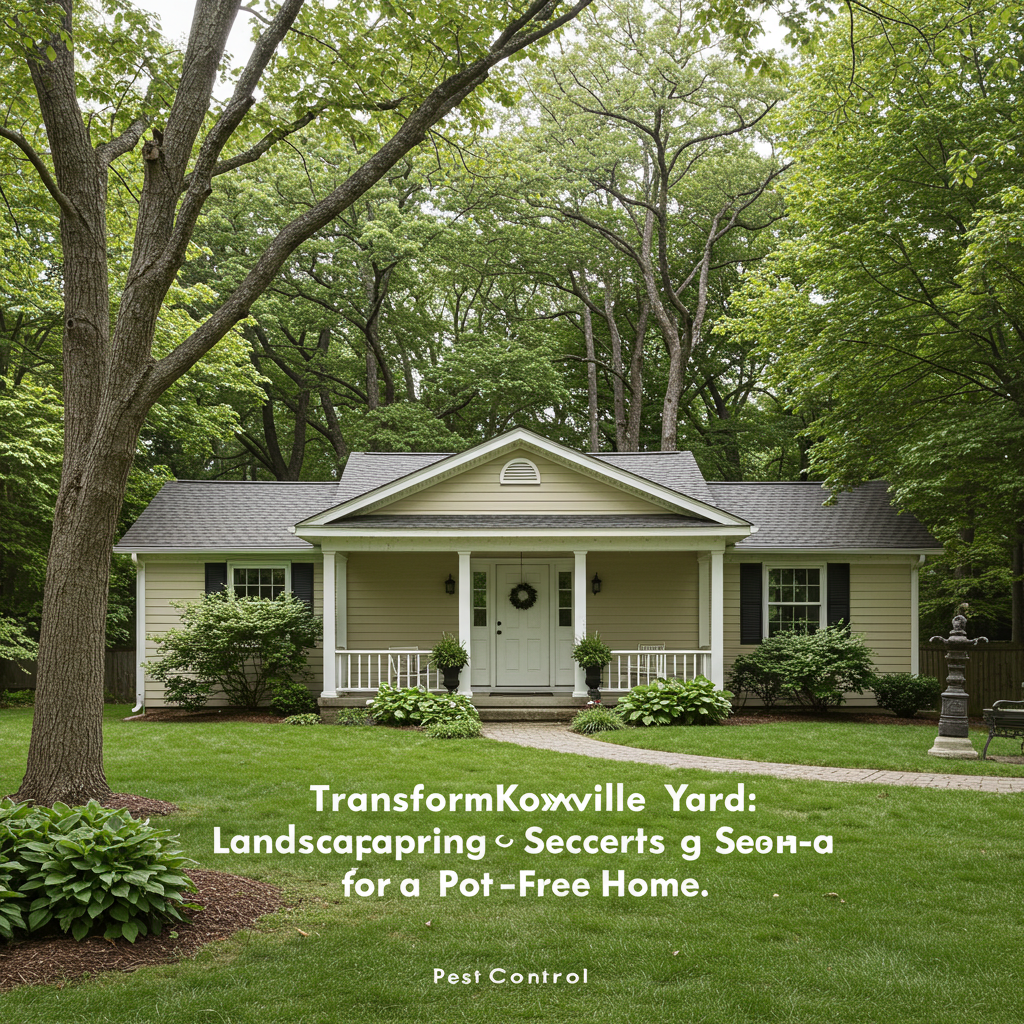
Transform Your Knoxville Yard: Landscaping Secrets for a Pest-Free Home
Pest control isn't just about what happens inside your Knoxville home; it starts right in your yard. Your landscaping acts as the first line of defense, or, if neglected, a welcome mat for various critters. Understanding how your outdoor environment interacts with local pests is crucial for maintaining a truly pest-free living space. From the types of plants you choose to the way you maintain your lawn, every decision can either invite unwanted guests or deter them. This guide will walk you through expert landscaping strategies specifically tailored for Knoxville homes to keep pests at bay naturally and effectively.
What Knoxville Landscaping Practices Attract Pests?
Many homeowners inadvertently create ideal habitats for pests through common landscaping choices. Understanding these attractants is the first step in pest prevention.
- Overgrown Vegetation and Leaf Litter: Dense, untrimmed shrubs, bushes, and trees provide excellent cover and harborage for a multitude of pests, including rodents, spiders, ants, and cockroaches. When vegetation touches your home's exterior, it creates a convenient bridge for pests to gain entry. Similarly, accumulations of leaf litter, branches, and other organic debris create damp, dark environments where pests thrive, offering shelter, food, and breeding grounds. This is particularly appealing to slugs, snails, earwigs, and various insects.
- Poor Drainage and Standing Water: Knoxville's climate can lead to periods of significant rainfall. If your landscaping design results in areas of standing water – even small puddles – these become prime breeding sites for mosquitoes. Moist soil also attracts pests like termites, ants, and slugs, as many depend on humidity to survive. Ensure your gutters are clean and direct water away from your foundation.
- Woodpiles and Storage Near the Foundation: Stacking firewood or storing lumber, old furniture, or other debris directly against your home's foundation is an open invitation for termites, carpenter ants, rodents, and other burrowing pests. These materials offer shelter, food, and direct access to your home's structure. Termites, in particular, are drawn to wood in contact with soil.
- Fruit Trees and Overripe Produce: While delightful for humans, fruit and nut trees can be magnets for pests. Fallen, overripe fruit attracts flies, wasps, ants, and rodents looking for an easy meal. Neglecting to pick up fallen produce regularly can quickly turn your yard into a pest buffet.
- Certain Mulch Types and Depths: While mulch is beneficial, some types, especially wood-based mulches, can retain significant moisture and heat. When applied too thickly or directly against the foundation, it can create a moist, concealed environment favored by termites, ants, earwigs, and even rodents seeking shelter. Keep mulch at least 6-12 inches away from your home's foundation and maintain a depth of no more than 2-3 inches.
Which Plants Naturally Deter Pests in Knoxville Yards?
Harnessing the power of nature can be a highly effective way to create a natural barrier against pests. Certain plants emit compounds or strong scents that pests find unpleasant, driving them away.
- Herbs with Strong Aromas: Many common culinary herbs are excellent pest deterrents.
- Rosemary: Repels mosquitoes, flies, and certain garden pests. Plant it near patios or entryways.
- Mint: A powerful deterrent for ants, mosquitoes, and rodents. Be cautious, as mint can spread aggressively; consider planting it in pots.
- Basil: Known to repel flies and mosquitoes. A great choice for planting near outdoor eating areas.
- Lavender: Its pleasant scent to humans is disliked by mosquitoes, moths, and fleas.
- Flowering Plants with Pest-Repelling Qualities: Beyond their beauty, some flowers have hidden pest-fighting properties.
- Marigolds: Contain compounds that deter nematodes (harmful soil worms) and general garden pests, including mosquitoes.
- Chrysanthemums: A source of pyrethrins, natural insecticides that repel a wide range of insects, including ticks, fleas, and spider mites.
- Citronella Grass (Cymbopogon nardus): Widely known for its mosquito-repelling properties. Plant it in pots around outdoor living spaces.
- Other Beneficial Plants:
- Garlic and Onions: Their strong sulfur compounds can deter aphids, slugs, and various other pests.
- Catnip: Surprisingly effective at repelling mosquitoes, potentially more so than DEET, though its invasiveness requires careful management.
Strategic placement is key: plant deterrents near entry points, windows, and outdoor living areas to create zones of protection around your Knoxville home. Integrating these plants into your existing landscape can reduce your reliance on chemical treatments.
How Can Smart Yard Maintenance Prevent Pests Year-Round in Knoxville?
Consistent and intelligent yard maintenance is perhaps the most critical component of a pest-free Knoxville home. It's about removing the elements that pests need to survive and thrive.
- Maintain a Clean Perimeter:
- Keep Shrubs and Trees Trimmed: Ensure all branches and foliage are at least 6-12 inches away from your home's exterior walls, roof, and foundation. This eliminates direct access points for pests and improves air circulation, reducing moisture.
- Regularly Remove Leaf Litter and Debris: Rake leaves, trim dead branches, and clear out any garden refuse promptly, especially in fall and winter. This removes prime hiding spots and breeding grounds.
- Manage Moisture Effectively:
- Clean Gutters and Downspouts: Regularly clear gutters to prevent water accumulation, which can lead to wood rot near your roofline and provide mosquito breeding sites. Ensure downspouts direct water away from the foundation.
- Improve Drainage: Address any areas in your yard where water tends to collect. Consider grading, French drains, or adding rain gardens to manage runoff.
- Strategic Watering: Water your lawn and plants in the morning so they have time to dry out during the day. Avoid overwatering, which creates damp conditions attractive to many pests.
- Control Food Sources:
- Pick Up Fallen Fruit and Berries: If you have fruit-bearing trees or shrubs, make a habit of collecting fallen produce daily to deter rodents, flies, and other scavengers.
- Secure Trash and Compost: Use tightly sealed lids on all outdoor trash cans and compost bins. Place them away from your home.
- Foundation Protection:
- Create a Gravel or Rock Barrier: A 6-12 inch wide strip of gravel or rocks around your home's foundation can deter pests from burrowing or crossing moist soil directly into your home.
- Elevate Firewood and Store Away From Home: Store firewood at least 20 feet from your house, elevated off the ground, and covered to keep it dry. This prevents it from becoming a cozy home for termites, ants, and rodents.
- Mind Your Mulch: As mentioned, keep mulch thin and away from the foundation. Consider inorganic mulches like gravel or rubber mulch directly adjacent to the house if pest pressure is high.
When Should Knoxville Homeowners Consider Professional Landscaping for Pest Control?
While DIY landscaping pest prevention is powerful, there are times when professional intervention, either from a landscaper specializing in pest deterrence or a pest control expert, becomes invaluable.
- Persistent Pest Problems: If, despite your best landscaping efforts, you're still encountering recurring pest issues, it might be time for a professional assessment. An expert can identify specific attractants you might have overlooked or pinpoint entry points linked to your landscape.
- Complex or Extensive Landscaping Projects: For new construction, major renovations, or large properties with intricate landscaping, consulting with a landscape architect who understands pest prevention can save headaches down the line. They can design layouts that naturally deter pests from the outset, considering plant placement, drainage, and material choices.
- Identification of Specific Pest-Attracting Elements: A professional pest control service, like Knoxville Pest Experts, can conduct a thorough inspection of your property. They can identify subtle landscape features or conditions that are specifically attracting particular pests (e.g., a specific plant harboring a unique insect, or a drainage issue creating a perfect breeding ground for termites). Their expertise helps in understanding the "why" behind your pest problems.
- Integrating Pest Control with Landscape Management: Sometimes, the most effective approach is a combination. A pest control professional can advise on how to modify your landscaping to enhance the effectiveness of their treatments, or how to use landscape features to create a more resilient barrier against future infestations. They can also provide targeted treatments for existing outdoor pest populations that your landscaping alone cannot handle.
- Protecting Property Value and Health: Pests can compromise your home's structural integrity and pose health risks. Investing in professional guidance for pest-deterrent landscaping ensures a comprehensive approach to protecting your property and family's well-being.
Your Knoxville home's outdoor environment is a powerful tool in the battle against pests. By adopting smart landscaping practices—choosing pest-repelling plants, meticulously maintaining your yard, and eliminating attractants—you can significantly reduce the likelihood of pest invasions. However, for established problems, complex landscapes, or simply for peace of mind, partnering with experienced professionals is key. Knoxville Pest Experts offers comprehensive pest management solutions tailored to our local environment, ensuring your home remains a sanctuary, inside and out. Don't let your yard become a pest haven; contact Knoxville Pest Experts today for a consultation and discover how we can help you achieve a truly pest-free home.
Need Professional Assistance?
Get a free, no-obligation estimate from our expert local team today.